
Why Houston Fireplaces Fail in December (and the Fall Inspection That Prevents It)
February 2, 2026 · Houston Air Pure Team
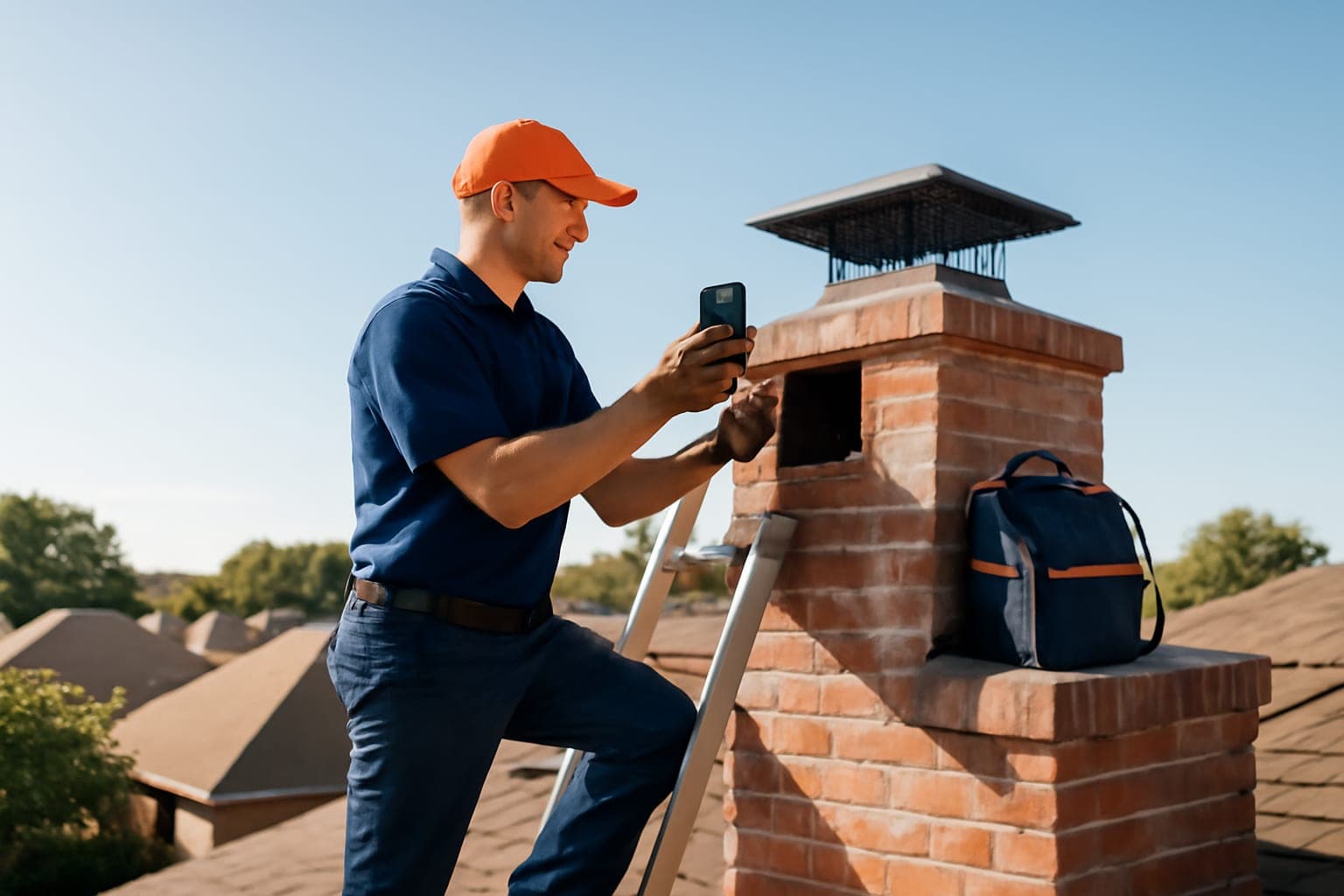
Here's the Houston fireplace calendar: nine to ten months of total neglect, then the first real cold front rolls in — usually November or December — and half the city lights a fire the same night. Our phone rings for three weeks straight, and a lot of those calls start with smoke in the living room.
Almost everything that goes wrong on first-fire night was sitting in the chimney for months, findable by a one-hour inspection. Here's what's actually up there.
What We Find in Houston Chimneys Every Fall
Creosote, first. Every wood fire deposits it — a flammable tar that builds up in layers on the flue walls. Third-degree creosote, the shiny glazed kind, is what chimney fires burn. If your fireplace saw regular use last winter and nobody swept it, this year's fires are burning under last year's fuel deposit.
Blockages, second. An uncapped or badly-capped Houston flue is prime real estate: birds nest in spring, squirrels stash acorns in fall, wasps build all summer. A blocked flue doesn't announce itself — it just sends carbon monoxide and smoke back into the room when you light up. This is the failure that makes first-fire night dangerous rather than just embarrassing.
Water damage, third — and this is the distinctly Houston one. Our chimneys don't die from fire; they die from rain. Fifty inches a year lands on the crown (the concrete slab on top), works into hairline cracks, and every rare hard freeze wedges those cracks wider. Framed chimneys with metal chase covers rust through and drip into the firebox. Spalling brick, failed flashing, crumbling mortar joints — chimney repair in Houston is mostly water repair.
What a Real Inspection Covers
A proper chimney inspection runs top to bottom: crown, cap, and flashing outside; then damper, smoke chamber, and firebox inside; then a camera up the flue. The camera is the part you can't do yourself — cracked flue tiles and glazed creosote are invisible from below, and both matter. A cracked tile lets fire heat reach the wood framing around the chimney.
If the flue needs sweeping, that happens the same visit: rotary rods and brushes, drop cloths everywhere, HEPA vacuum running so soot stays out of your living room. You get photos of what we found and a written report. If something needs repair, you get a quoted price — and if nothing does, the report says that instead. About a third of our inspections end with 'you're good, light it up.'
Book in Fall, Not December
A sweep and inspection in Houston runs $150–$300. The price is the same in September as in December — the difference is the wait. Book in early fall and you pick your slot; call the week after the first cold front and you're in line behind a few hundred neighbors, hoping your fireplace holds out.
One more date for your calendar: if you're planning any chimney repair — crown work, a new chase cover, tuckpointing — fall is also the deadline. Masonry work needs dry days and mild temperatures, and Houston's window for both closes fast.